





Reflections from the PLANET4HEALTH Workshop at HELT 2026
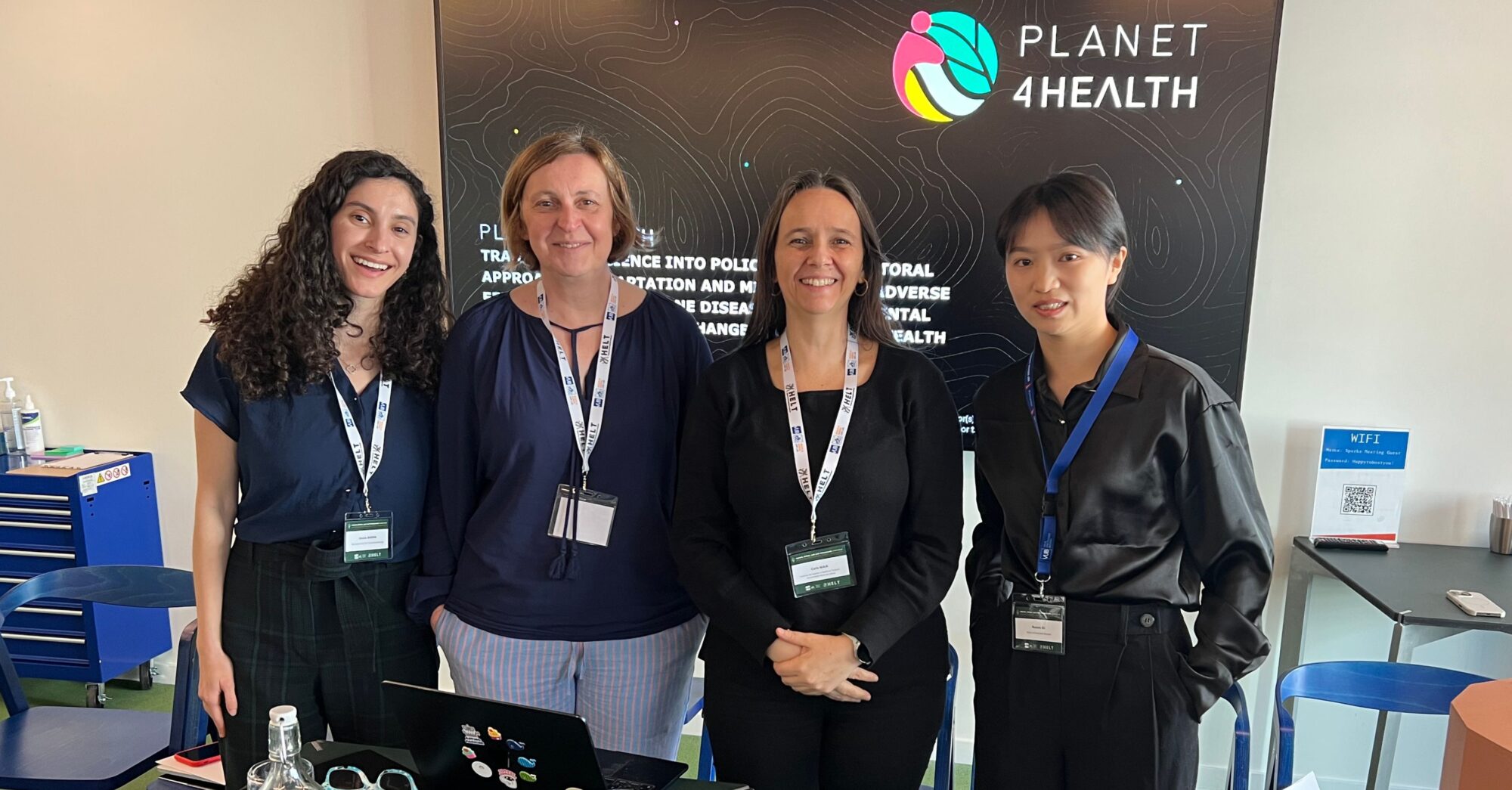
On April 23, the PLANET4HEALTH workshop at the HELT 2026 Symposium brought together experts and practitioners to unpack one of the most pressing challenges in planetary health research: data governance across human, animal, and environmental domains.
Through a series of compelling case studies including air pollution records in South Africa, the use of veterinary proxy data, and PFAS contamination in food systems our speakers highlighted the real-world complexities of collecting, managing, and sharing heterogeneous data. These examples made clear that, while data is abundant, it remains deeply fragmented across sectors, disciplines, and regulatory frameworks.
A key strength of the workshop was its interactive nature. Engaging discussions with the audience not only surfaced shared challenges but also pushed the conversation toward evidence-based policy recommendations for public health. Participants reflected on how regulatory frameworks can better support interdisciplinary research while maintaining high standards of data protection and ethical use.
Looking ahead, the discussion turned to the European Health Data Space (EHDS) and its transformative potential for enabling secondary use of health data. However, a central takeaway emerged: a predominantly human-centric framework is insufficient for planetary health research. To truly operationalise the One Health approach, future data governance models must integrate non-human data spanning environmental systems, animal health, and food chains as these are fundamentally interconnected with human well-being.
The workshop reaffirmed a shared commitment: advancing open science and building data governance frameworks that are not only robust and ethical, but also inclusive of the complex realities of planetary health.


Author: Ruoxin Su (VUB)